







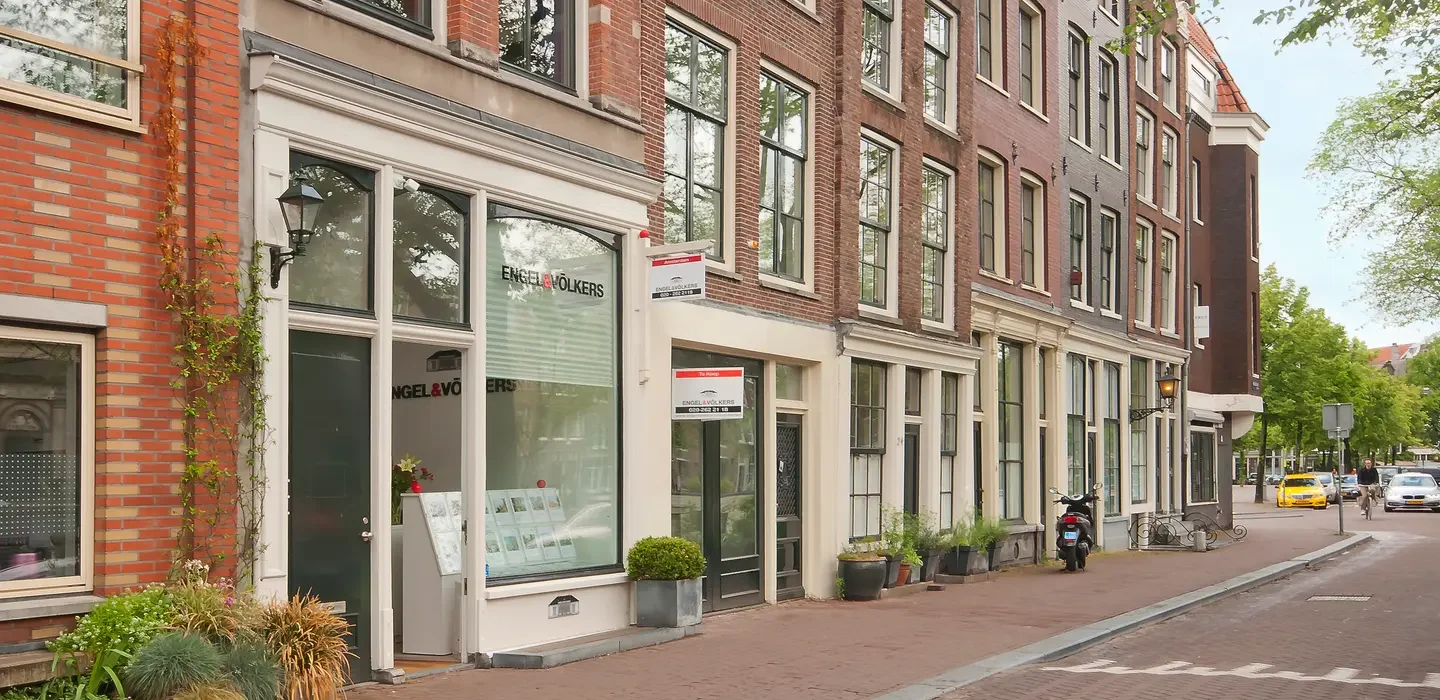
Osdorp is not a brand in the traditional sense, but rather a well-known and dynamic neighborhood located in the western part of Amsterdam, Netherlands. Over time, it has developed a strong identity shaped by its residential communities, shopping areas, cultural diversity, and urban lifestyle. When people refer to Osdorp, they often think of a lively district that combines everyday convenience with a growing sense of modern city living. From local shopping streets and residential blocks to parks, public spaces, and cultural hubs, Osdorp represents a practical and evolving side of Amsterdam life that continues to attract residents and visitors alike.
What makes Osdorp especially interesting is its balance between urban development and community living. It is a place where daily routines feel accessible—whether it’s shopping at local centers, enjoying green spaces, or connecting with different cultural influences. The area has transformed significantly over the years and continues to evolve, making it a notable part of Amsterdam Nieuw-West.
Rather than being a commercial brand, Osdorp can be understood as a living environment shaped by people, infrastructure, and everyday experiences that define modern city neighborhoods.
A Residential Neighborhood with Strong Everyday Convenience
One of Osdorp’s defining characteristics is its strong focus on residential living combined with practical accessibility. The neighborhood is designed to support daily life, making it suitable for families, working professionals, and long-term residents who value convenience.
Housing in Osdorp ranges from apartment complexes to family homes, reflecting the diverse population that lives there. Many residents appreciate the availability of essential services within close reach, including supermarkets, schools, healthcare facilities, and public transportation options.
This accessibility helps create a lifestyle where most daily needs can be met without long travel times, contributing to the neighborhood’s reputation as a practical and livable part of Amsterdam.
At the center of local activity is the Osdorpplein area, a well-known shopping and social hub where people gather for everyday errands and community interaction.
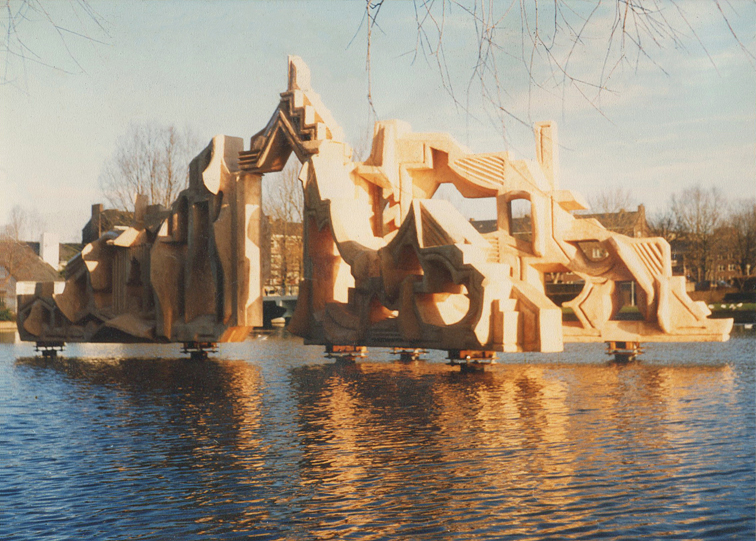
Shopping, Dining, and Local Activity Centers
Osdorp offers a variety of shopping and dining experiences that serve both residents and visitors. The area includes shopping centers, local stores, and food outlets that reflect the multicultural makeup of the neighborhood.
Osdorpplein is particularly important as a commercial focal point. It brings together retail shops, supermarkets, cafés, and essential services, making it a convenient destination for daily needs.
Beyond shopping, the neighborhood also features casual dining spots and small restaurants offering a range of international cuisines. This diversity reflects the multicultural identity of the area and contributes to its vibrant atmosphere.
The presence of entertainment venues and cultural facilities further enhances the local experience, ensuring that residents have access to both practical services and leisure activities within their own neighborhood.
Green Spaces and Urban Environment
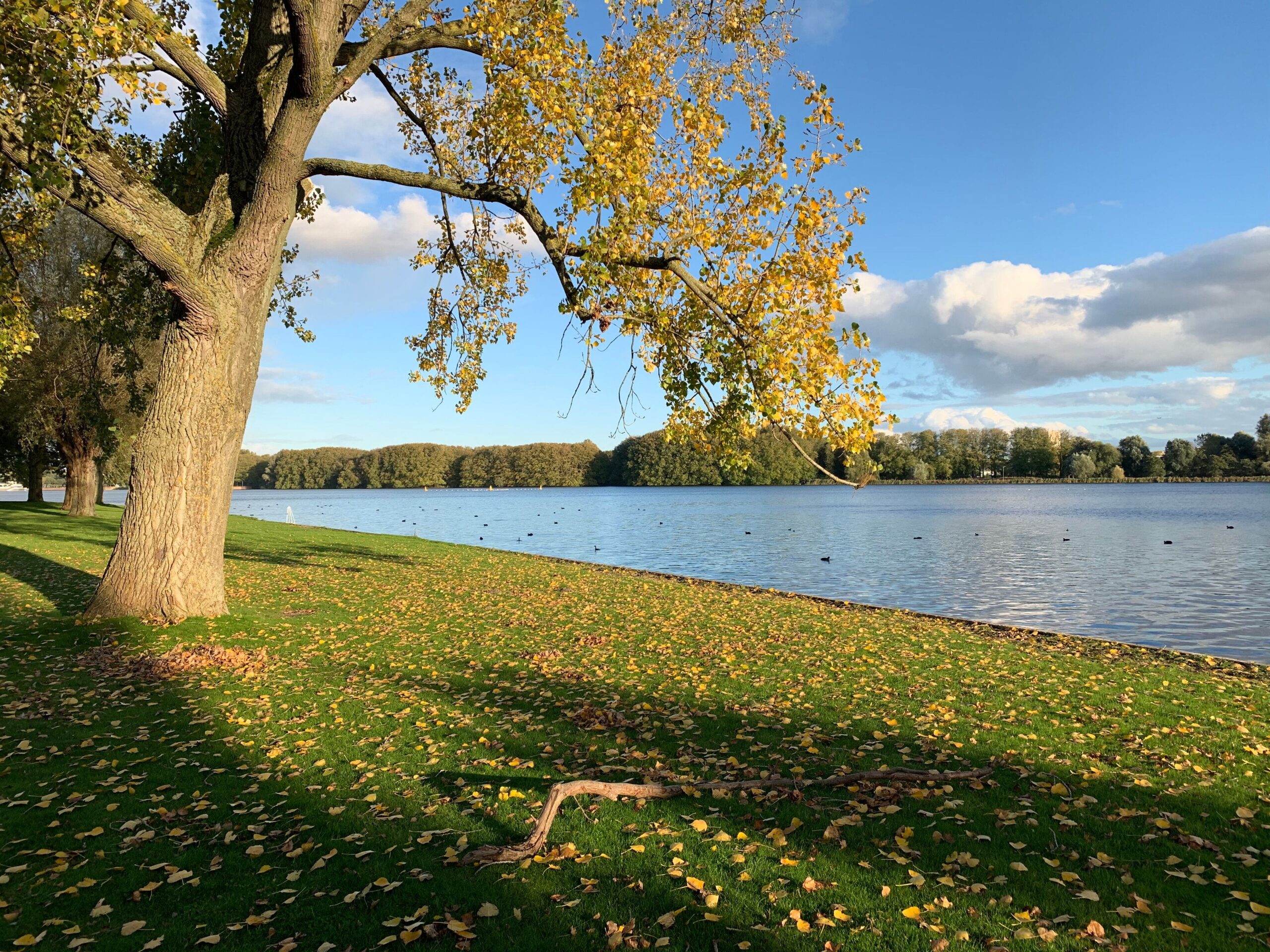
Despite being part of a large city, Osdorp includes several green areas and open spaces that contribute to a more balanced urban lifestyle. Parks, walking paths, and recreational areas provide residents with opportunities to relax, exercise, and spend time outdoors.
These green zones play an important role in improving the overall quality of life in the neighborhood. They offer a contrast to the built-up residential and commercial areas, helping create a healthier and more enjoyable living environment.
Public spaces in Osdorp are often used for leisure activities, family outings, and community interaction, reinforcing the neighborhood’s social character.
Cultural Diversity and Community Life
Osdorp is widely recognized for its cultural diversity, which is reflected in its population, food culture, and everyday interactions. People from different backgrounds live and work in the area, contributing to a multicultural atmosphere that shapes the neighborhood’s identity.
This diversity is visible in local shops, community events, and public life. It also influences the social fabric of Osdorp, making it a place where different traditions and lifestyles coexist.
Community life in Osdorp is built around shared spaces such as parks, schools, shopping centers, and public transport hubs. These spaces help encourage interaction and connection among residents, strengthening the neighborhood’s sense of community.
Key Features of Osdorp as a Neighborhood
- Residential area within Amsterdam Nieuw-West
- Strong everyday shopping and service infrastructure
- Central hub at Osdorpplein with retail and dining options
- Multicultural community and diverse population
- Green parks and recreational outdoor spaces
- Accessible public transportation connections
- Family-friendly urban environment
- Mix of modern development and established housing
- Local cultural and social activity centers
- Balanced combination of city life and community living
Urban Development and Continuous Transformation
Like many neighborhoods in large cities, Osdorp has experienced ongoing development over the years. Urban planning initiatives have focused on improving housing, infrastructure, and public spaces to better serve its growing population.
This continuous transformation reflects broader trends in Amsterdam’s expansion and modernization. As the city evolves, neighborhoods like Osdorp adapt by upgrading facilities, improving transportation, and enhancing public amenities.
These developments aim to improve livability while maintaining the character of the community. The result is a neighborhood that continues to grow and adjust to the needs of its residents.
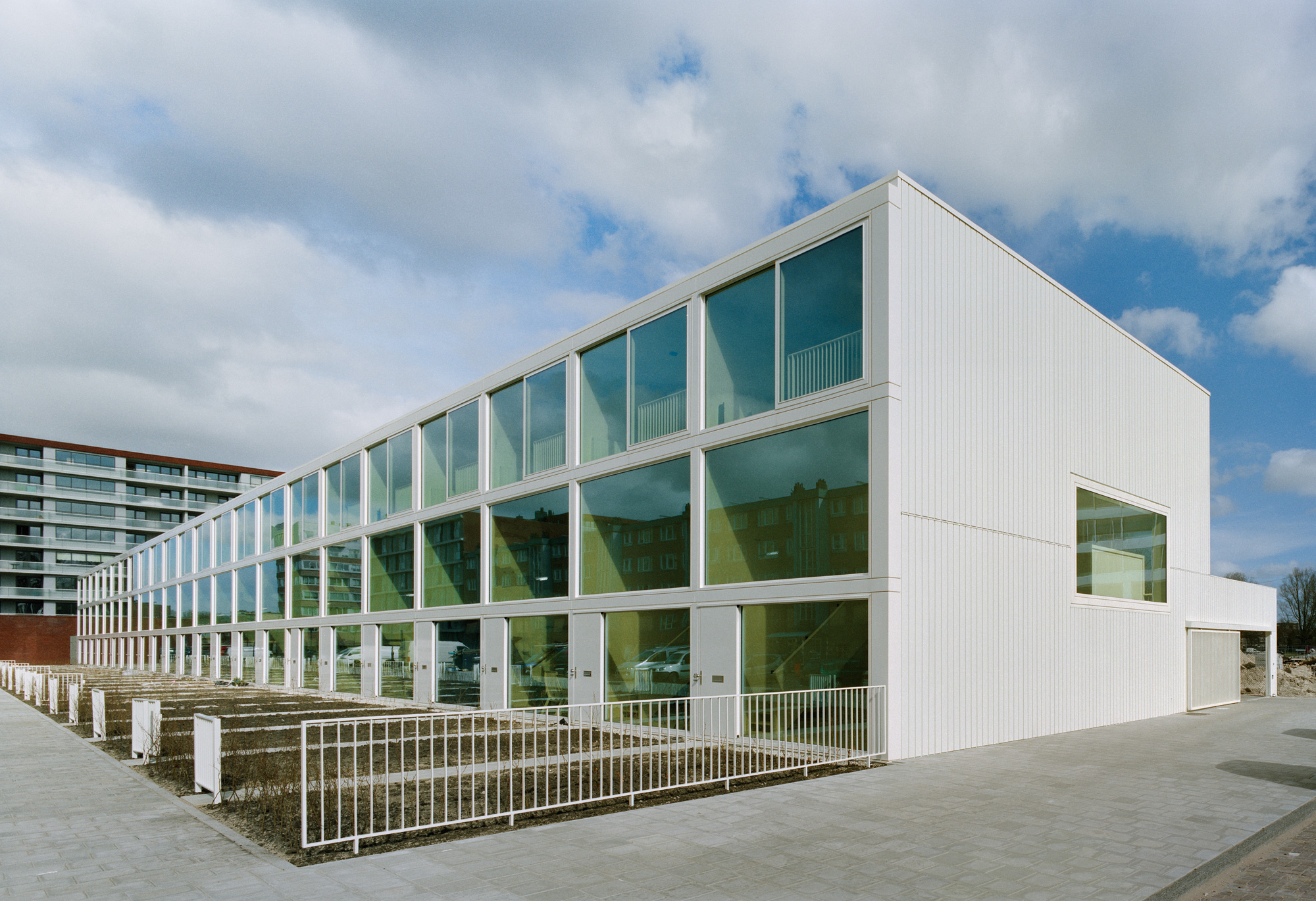
Everyday Life in a Modern Amsterdam District
Life in Osdorp is shaped by routine convenience and urban accessibility. Residents benefit from proximity to essential services, public transport, and local businesses, which makes day-to-day living efficient and practical.
At the same time, the presence of parks, community spaces, and cultural diversity adds depth to everyday life. It is a neighborhood where people can experience both the functionality of city living and the comfort of a close-knit community environment.
This combination is one of the reasons Osdorp remains an important and recognizable part of Amsterdam’s urban landscape.
Final Thoughts – Osdorp as a Living Urban Community
Osdorp represents more than just a location on the map; it is a dynamic urban community shaped by its residents, infrastructure, and evolving identity. With its mix of residential convenience, shopping areas, green spaces, and cultural diversity, it reflects many aspects of modern city life in Amsterdam.
The neighborhood continues to develop while maintaining its community-centered character, making it a place where everyday living remains practical, connected, and diverse.
For anyone looking to understand a real, lived-in side of Amsterdam beyond the tourist centers, Osdorp offers a clear example of how urban neighborhoods grow, adapt, and thrive over time.






No Comment! Be the first one.