







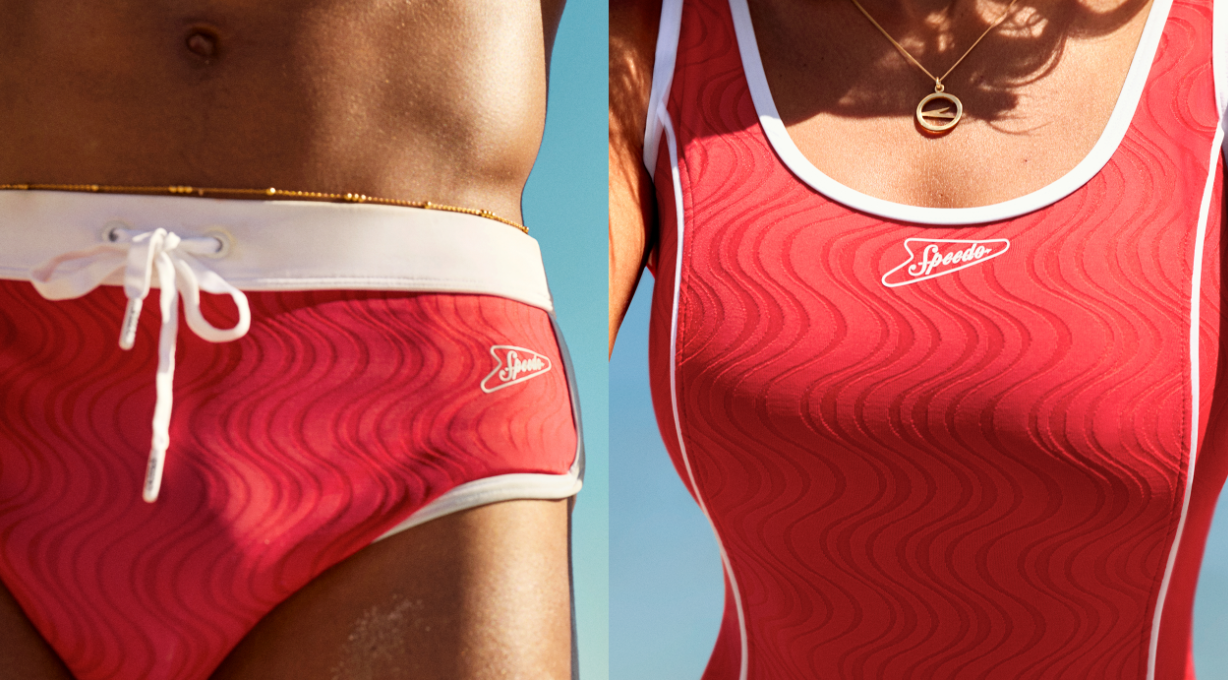
Swimming continues to grow as both a competitive sport and a lifestyle activity focused on fitness, wellness, and recreation. Speedo remains one of the most recognized names in the swimwear industry because of its long history of innovation, performance-driven products, and strong connection to aquatic sports culture. From Olympic competition to everyday training sessions, the company developed products designed to improve comfort, mobility, and durability in the water. Modern swimmers now expect technical performance alongside stylish design, and that shift helped shape the direction of the global swimwear market.
The popularity of swimming as a low-impact form of exercise also increased demand for high-quality swim apparel that works across different environments. Competitive athletes, casual swimmers, beach travelers, and fitness enthusiasts all look for products that combine function with long-term reliability. Through decades of development in fabric technology and swim engineering, the company built a reputation closely tied to performance swimming and aquatic innovation.
The Rise of Performance Swimwear
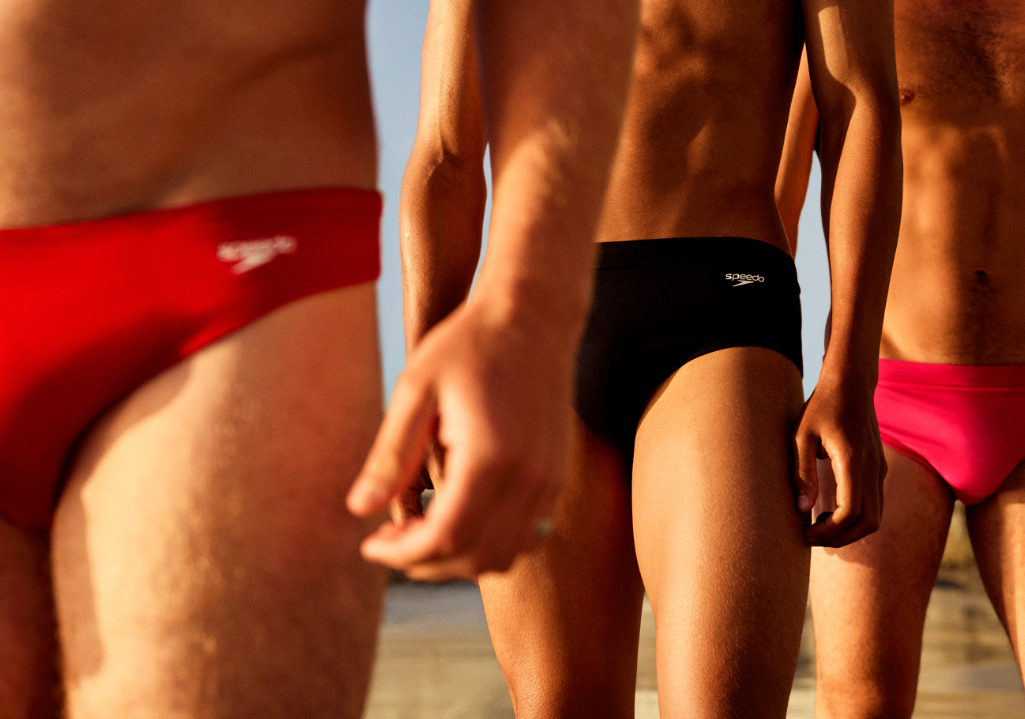
The evolution of modern swimwear changed how athletes and recreational swimmers approach comfort and movement in the water. Earlier swimwear designs focused mainly on basic functionality, but performance-oriented engineering eventually became a major part of the industry.
Competitive swimmers needed apparel that reduced resistance and improved flexibility during training and races. Technical fabrics, streamlined cuts, and lightweight materials transformed swimwear into specialized athletic equipment rather than simple beach clothing. Speedo became closely associated with these developments because of its early investment in performance-focused design and athlete collaboration.
Professional swimming also influenced consumer expectations. As Olympic athletes wore increasingly advanced racing suits, recreational swimmers became more interested in durable and comfortable swimwear inspired by elite-level performance. That connection between professional sports and everyday consumers helped strengthen the broader swimwear market.
Innovation and Product Development
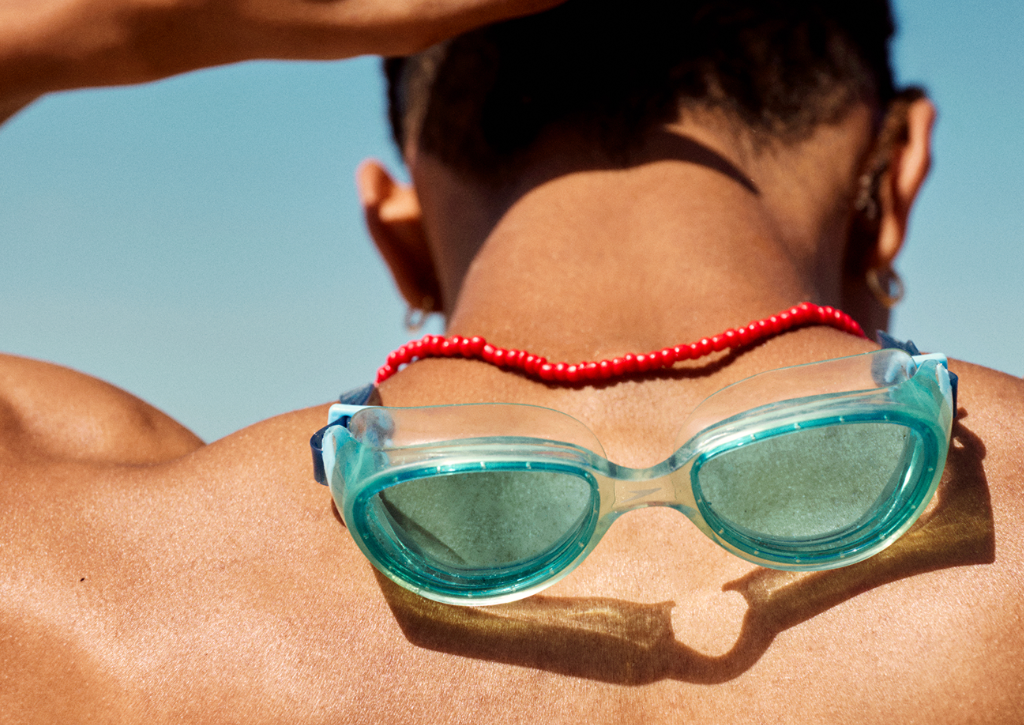
Technical innovation continues shaping the swimwear industry as companies focus on comfort, flexibility, and long-lasting performance. Swimwear manufacturers increasingly rely on fabric engineering and athlete testing to improve the experience for both professional and casual users.
- Lightweight fabrics help improve mobility and reduce water resistance.
- Chlorine-resistant materials support long-term durability for regular swimmers.
- Competitive swimwear designs focus heavily on flexibility and comfort.
- Recycled materials became more important within modern swimwear production.
- Swim accessories such as goggles and caps remain essential training products.
Swimming itself also expanded beyond competition. Fitness swimming, water aerobics, and recreational aquatic activities created demand for products suitable for regular use in pools, gyms, and outdoor environments. The industry gradually adapted by offering swimwear collections aimed at different age groups, body types, and activity levels.
Sustainability and Consumer Expectations
Sustainability became increasingly important across the sportswear industry as consumers paid closer attention to environmental responsibility and manufacturing practices. Swimwear companies faced growing pressure to reduce waste, improve sourcing standards, and create products with longer life cycles.
The swimwear industry presents unique sustainability challenges because many products rely on synthetic performance fabrics. Manufacturers now work toward balancing technical requirements with environmentally responsible production methods. Recycled fibers, reduced packaging waste, and improved fabric durability became central topics across modern product development.
Consumers also expect greater transparency regarding material sourcing and production practices. Buyers increasingly look for swimwear designed to last longer while maintaining performance quality after repeated exposure to chlorine, saltwater, and sunlight. Durable construction not only improves user satisfaction but also supports sustainability by reducing unnecessary replacement.
Modern shoppers often prioritize products that align with both performance needs and environmental values. That shift influenced how companies communicate product quality, durability, and material innovation to consumers interested in long-term value rather than fast replacement cycles.
The Future of Swimming Apparel
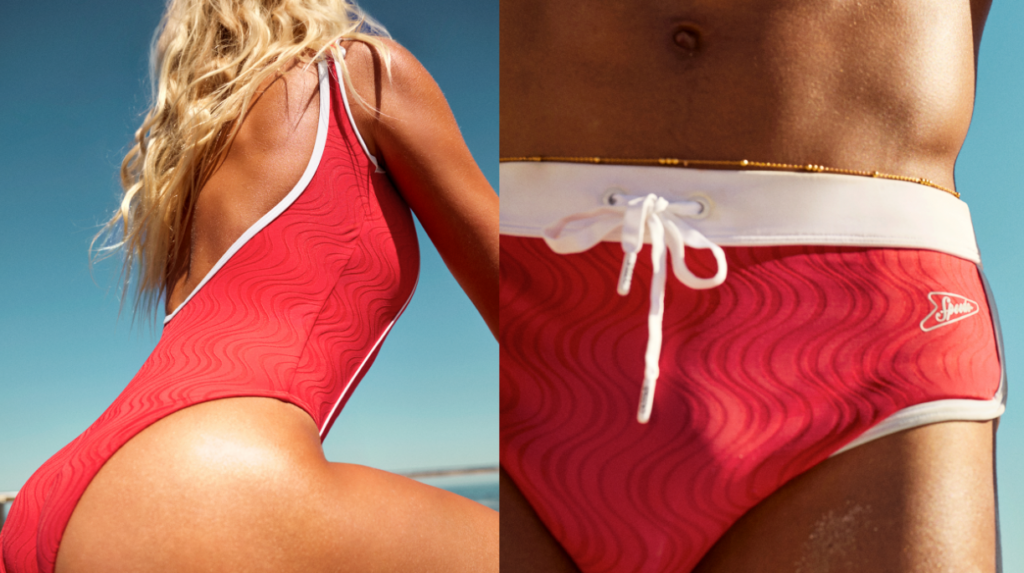
The swimwear market continues evolving as athletic performance, wellness trends, and lifestyle fashion become increasingly connected. Swimming remains one of the most accessible forms of exercise, supporting long-term demand for apparel that combines comfort, functionality, and durability.
Speedo continues holding a strong position within the industry because of its connection to competitive swimming history and product innovation. The company’s long-standing association with professional athletes helped establish credibility across both elite sports and recreational swimming markets. At the same time, changing consumer expectations continue shaping the direction of swimwear design, especially around sustainability, versatility, and comfort.
As aquatic sports and fitness activities continue attracting broader audiences, technical swimwear will likely remain an important part of modern active lifestyles. The combination of athletic performance, recreational functionality, and evolving fabric technology ensures that swimwear continues developing alongside changing consumer needs and global wellness trends.





No Comment! Be the first one.